Hand Drawn Food Illustrations: A Feast for Your Designs
The Irresistible Appeal of Organic Art
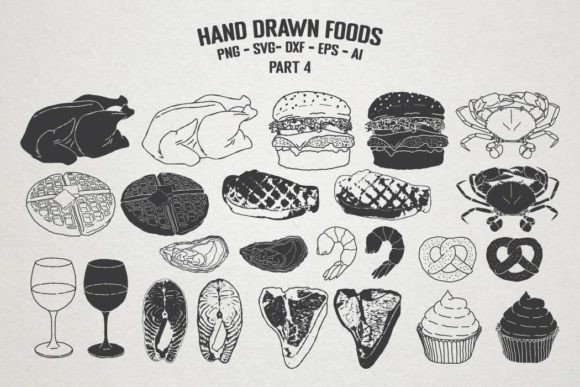
There is a specific kind of warmth that digital projects often lack, a tactile quality that makes a viewer stop scrolling and lean in. This is the core strength of Hand Drawn Food Illustrations. Unlike rigid, perfectly symmetrical vector graphics, these illustrations carry the subtle imperfections of a human touch—the wobble of a line, the texture of a pencil stroke, the organic flow of a shape. They don't just represent food; they evoke the feeling of a home-cooked meal, a bustling farmer's market, or the comfort of a favorite bakery. For designers and creators, this style is a powerful tool. It instantly communicates authenticity, artisanal quality, and a down-to-earth personality that sterile, generic clipart simply cannot achieve.
The visual language here is unmistakably personal. It’s less about photorealism and more about character and charm. This style sits comfortably at the intersection of modern design trends and timeless craft, making it versatile for a wide array of applications. Whether you're building a brand from scratch or adding a human element to a corporate project, these illustrations provide a shortcut to creating an emotional connection with your audience.
Where This Style Truly Shines
Understanding where to deploy Hand Drawn Food Illustrations is key to maximizing their impact. Their personality is best suited for projects that aim to feel approachable, creative, and genuine.
Branding and Packaging
For small businesses in the food industry—think artisan bakeries, farm-to-table restaurants, specialty coffee roasters, or organic juice bars—this style is pure gold. It translates beautifully onto packaging design, from coffee bags and jam jars to bakery boxes and menu layouts. Using these illustrations in your logo design or on your website helps establish a brand identity that feels curated and passionate, not mass-produced. It tells customers there’s a real person behind the product who cares about quality and craft.
Editorial and Digital Content
Bloggers, publishers, and content creators will find endless uses for these assets. In editorial design for cookbooks, food magazines, or recipe blogs, hand-drawn elements can break up text, highlight key ingredients, or add decorative flair to headers and margins. For social media graphics, they are perfect for creating engaging Instagram stories, Pinterest pins, or Facebook posts that stand out in a crowded feed. The organic style is highly shareable and can significantly boost audience engagement by making your content feel more relatable and less like a corporate ad.
Personal and Commercial Crafting
The versatility extends far beyond digital screens. Crafters and hobbyists can leverage these designs for physical products. Imagine custom T-shirt designs for a local food festival, unique stickers for a planner, or charming stencils for painting kitchen decor. They are ideal for sublimation projects on mugs and aprons, or for creating one-of-a-kind greeting cards and scrapbook pages. For small business owners, this means you can create a cohesive product line—from your website to your merchandise—using the same core visual assets.
Making It Work: Practical Guidance for Creators
Integrating a new set of design assets into your workflow requires a bit of strategy. Here’s how to get the most out of your Hand Drawn Food Illustrations.
Evaluating Fit and Font Pairings
Before you dive in, consider your project’s overall tone. These illustrations have a casual, friendly vibe. Pairing them with a stiff, formal serif font might create a jarring disconnect. Instead, look for complementary typefaces. A clean, modern sans serif font can provide a nice contrast and keep the design looking fresh. Alternatively, a friendly script font or a classic handwritten font can amplify the personal feel, but be mindful of readability, especially in body text. The goal is to create a visual hierarchy where the illustrations and typography work together harmoniously.
Working with the Files
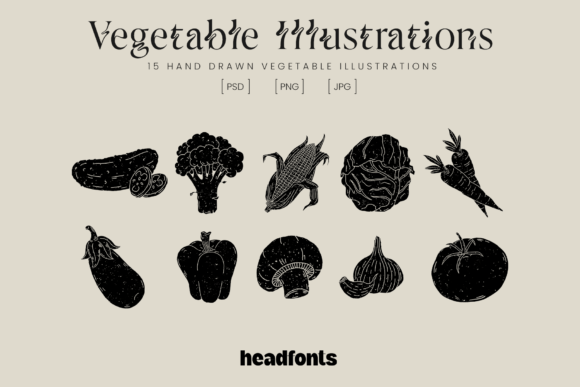
The included files are built for practicality. The SVG vector files are your best friend for scaling to any size without losing quality, perfect for large prints or signage. The high-resolution PNG files with transparency offer plug-and-play convenience for digital projects, ensuring the illustrations sit cleanly over any background. Having both black and white versions gives you immediate flexibility for light and dark layouts. When you download, take a moment to explore the full set. You might find that a simple vegetable sketch is the perfect accent for a project you hadn’t considered.
A Note on Licensing
For entrepreneurs and business owners, the commercial license is a significant value. It typically allows you to use the designs in products you sell, like printed merchandise, digital templates, or published works. This transforms the illustrations from a simple creative resource into a tangible business asset. Always review the specific license terms to ensure your intended use is covered, giving you peace of mind as you build and sell your creations.
In a digital landscape saturated with polished, sometimes impersonal graphics, choosing to incorporate hand-drawn elements is a deliberate and powerful design choice. It’s a way to inject humanity, warmth, and story into your work. These Hand Drawn Food Illustrations offer a complete toolkit for doing just that, providing the assets you need to create projects that are not only visually appealing but also genuinely resonant.