Quran Illustrations: Hand-Drawn Art for Meaningful Designs
In a digital landscape saturated with crisp, geometric vector art, there is a profound power in the imperfect, tactile quality of hand-drawn work. For designers, content creators, and entrepreneurs looking to infuse their projects with authenticity and spiritual depth, Quran Illustrations offers a unique solution. This collection isn't just a set of images; it is a curated library of hand-drawn artwork designed to bridge the gap between ancient scripture and modern graphic design. Whether you are building a brand identity for a wellness app or laying out an editorial design for a religious publication, these assets provide the visual weight and emotional resonance that stock photography often lacks.
The Aesthetic: Authenticity in Every Stroke
What sets this collection apart is its inherent personality. Because these are hand-drawn Quran Illustrations, they carry the subtle nuances of the human hand—slight variations in line weight, organic textures, and a warmth that digital vectors cannot replicate. This style falls somewhere between traditional calligraphy and modern handwritten font aesthetics. The visual character is respectful and contemplative, avoiding the coldness of sans serif geometrics in favor of flowing, organic forms.
The appeal lies in its versatility. The artwork ranges from intricate borders to standalone motifs, all rendered with a consistent artistic voice. This consistency is crucial for brand identity. When you use these assets across your packaging design, social media graphics, and web design, you create a cohesive visual language that feels intentional and curated. It is a premium font and illustration experience that elevates a project from "standard" to "artisanal." The style respects the sacred nature of the content while making it accessible for contemporary modern typography layouts.
Strategic Applications: From Branding to Digital Publishing
For the entrepreneur or small business owner, the value of Quran Illustrations is found in its ability to solve complex design problems. Consider the challenge of logo design for a new halal organic food brand. You need something that signals tradition and purity, but you don't want a cliché symbol. Incorporating a hand-drawn element from this collection can anchor the logo, giving it a bespoke, creative font quality that stands out on the shelf.
For publishers and bloggers, these assets are indispensable for editorial design. Breaking up long blocks of text is essential for readability. A well-placed illustration can serve as a visual anchor, guiding the reader's eye and providing a moment of pause. Unlike generic stock images, these design assets are specifically tailored to the subject matter, ensuring that the imagery supports the narrative rather than distracting from it. This is particularly effective in educational materials, where visual hierarchy helps readers process complex information.
In the realm of digital design, the png file format included in the collection is a game-changer. The transparent backgrounds allow these illustrations to float over textured backgrounds or colored sections in your web design without awkward white boxes. This flexibility is vital for creating dynamic social media graphics where layering and depth are key to engagement. Whether you are designing Instagram stories or website hero sections, the ability to layer these hand-drawn elements creates a sophisticated, high-end look.
Technical Considerations and File Utility
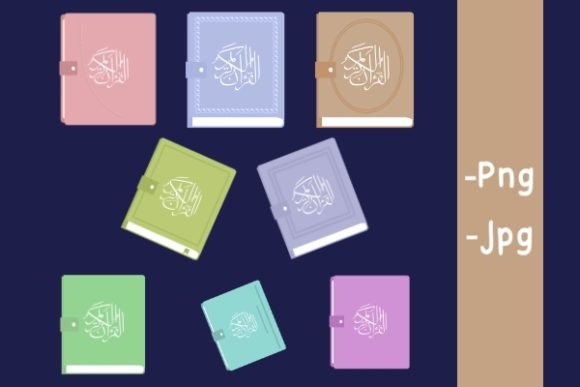
A common hurdle in using decorative artwork is file compatibility. The Quran Illustrations collection addresses this by providing both jpg file and png file formats. Understanding when to use each is part of professional design practice.
The jpg file is best suited for scenarios where the illustration sits within a defined frame, such as a background texture or a print insert where file size optimization is necessary. However, for most modern marketing materials and digital applications, the png file is the superior choice. Its transparency allows for seamless integration with your color palette and layout grid. This is essential for maintaining visual hierarchy—you want the illustration to enhance the layout, not dictate it.
When evaluating how these assets fit into your workflow, consider the concept of font pairing. While these are illustrations, they function similarly to ornamental display font styles. They pair exceptionally well with clean, legible body text. If you are using a geometric sans serif font for your body copy, the organic nature of the hand-drawn illustrations provides a necessary textural contrast. Conversely, if your primary typeface is a serif font or a script font, these illustrations can amplify that classic, elegant feel. The key is balance; let the illustrations act as the "loud" element while your typography remains the steady voice.
Practical Implementation for Maximum Impact
To truly leverage Quran Illustrations, you must think beyond simple decoration. Here is how professionals are utilizing these assets to drive engagement and perception:
- Visual Hierarchy and Flow: Use larger illustrations to break up content sections in editorial design. This creates a rhythm for the reader, making dense educational content feel more approachable and improving overall readability.
- Brand Consistency: Select a specific motif or style from the collection and apply it consistently across all touchpoints. This repetition builds brand recognition. A specific border style used on a website header should reappear on business cards and email footers.
- Emotional Connection: Hand-drawn art inherently suggests care and craftsmanship. For crafters and hobbyists, using these in personal projects or small-batch products (like handmade soils or journals) adds a layer of perceived value that justifies a premium price point.
- Digital Engagement: On social media, static text often gets scrolled past. Incorporating these illustrations into quote cards or promotional banners adds the necessary "thumb-stopping" visual interest. The organic lines contrast sharply with the rigid grid of a social feed.
Ultimately, Quran Illustrations are more than just design assets; they are tools for storytelling. They allow marketers, designers, and creators to communicate complex themes of heritage, spirituality, and beauty with a single image. By integrating these hand-drawn elements into your next project, you move away from generic templates and toward a visual identity that feels lived-in, authentic, and deeply connected to its audience. Whether for commercial licensing in a large campaign or a personal passion project, the utility and aesthetic depth of this collection make it a worthy addition to any creative’s toolkit.